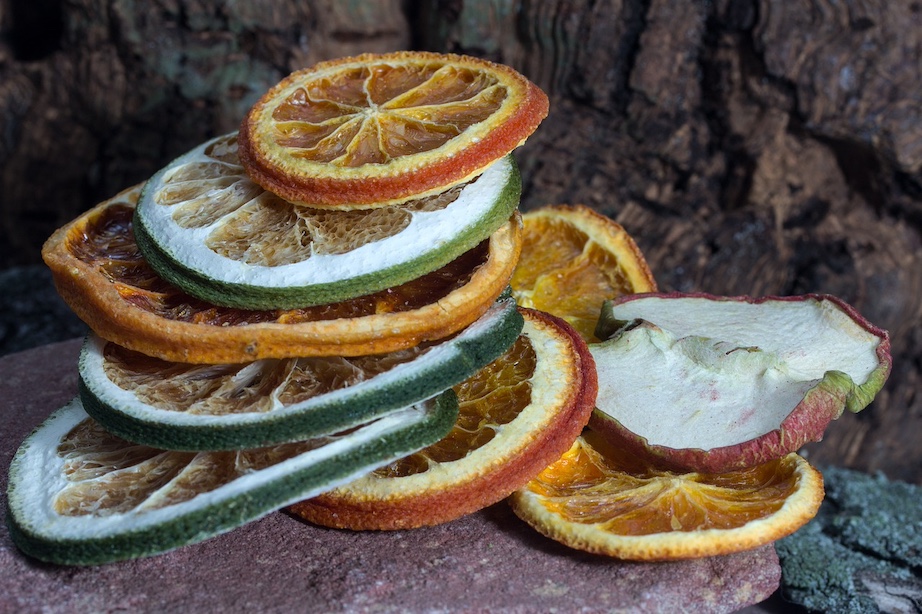
If you have noticed, freeze-dried fruits are hugely popular nowadays. They are crunchy and tasty, and you can use them in various cooking and baking recipes.
However, a common question lurking in our minds is whether freeze-dried fruits are better than fresh fruits.
To understand this, we first need to find out what the freeze-drying process involves.
So, what is freeze-drying?
A common practice in pharmaceutical applications, freeze-drying has several applications in biotechnology, medicine, food preparation, and preservation.
When it comes to preparing dried fruits, most conventional approaches rely on heat to evaporate water, leading to dehydration. A low-temperature dehydration process, freeze-drying involves freezing the fruit, releasing the pressure by placing it in a vacuum, and then allowing the ice to sublimate in a vacuum. As such, the quality and nutritional value of freeze-dried fruits are retained without changes.
The shape of solid objects, such as strawberries, is maintained when they are freeze-dried. Since the fruit is processed at frigid temperatures, it enhances the quality of the rehydrated product.
Comparing the benefits of freeze-dried fruits and fresh fruits
The water content is the most apparent benefit of fresh fruits, compared to dried fruits; a substantial portion of fresh fruits is constituted by water. On the other hand, dried fruits are entirely devoid of any moisture content; as such, the calorie content also changes.
However, apart from the calorie factor, there are more points of comparison that are worth considering.
Nutritional facts
Although fresh and freeze-dried fruits are rich in nutrients, there are a few key distinctions between the two. To begin with, the nutritional value of fresh fruits may vary from freeze-dried fruits because fresh ones tend to continue ripening and lose their nutritional worth over time.
On the other hand, fruits are selected for freeze-drying when they are at their ripest, allowing all their nutrients, vitamins, and minerals to be preserved. So, fruits are freeze-dried with most nutrients preserved within them, except water-soluble vitamin C and a handful of chemicals found in fruit skins. In other words, freeze-dried fruits are more nutritious.
Sugar content
Many people are under the impression that freeze-dried fruit is higher in sugar than its fresh counterpart.
Since a serving of freeze-dried fruit does not provide the same level of satisfaction as a banana or apple, the key is to watch your portion management. This means the sugar you take in is directly proportional to the freeze-dried fruit you ingest. The secret is to watch what you eat.
Taste
You can taste the difference between fresh fruits and freeze-dried fruits. While some freeze-dried fruits, like bananas, retain a significant scent, most freeze-dried fruits do not.
For instance, the milder flavor of freeze-dried berries suits your taste better than the tartness of fresh berries.
Shelf Life
Compared to fresh fruit, the shelf life of freeze-dried fruits is significantly longer. There are freeze-dried fruits that, with the proper care, can remain fresh for as long as 25 years. The usual duration is two to twenty-five years; some can last up to thirty. That is a lengthy storage time when contrasted with fresh or even dried fruits.
Because they retain only 1 percent of their overall water content, freeze-dried fruits and vegetables are ideal for storing for an extended period.
Final words
Freeze-dried fruits are a worthy substitute if you are concerned about convenience, cold storage, and mobility. The lack of water in dried fruits might not be as satisfying as the whole fruit. However, their taste duly compensates for it, along with the added crunchiness.
Image by andreas N from Pixabay
Contributed posts are advertisements written by third parties who have paid Woman Around Town for publication.