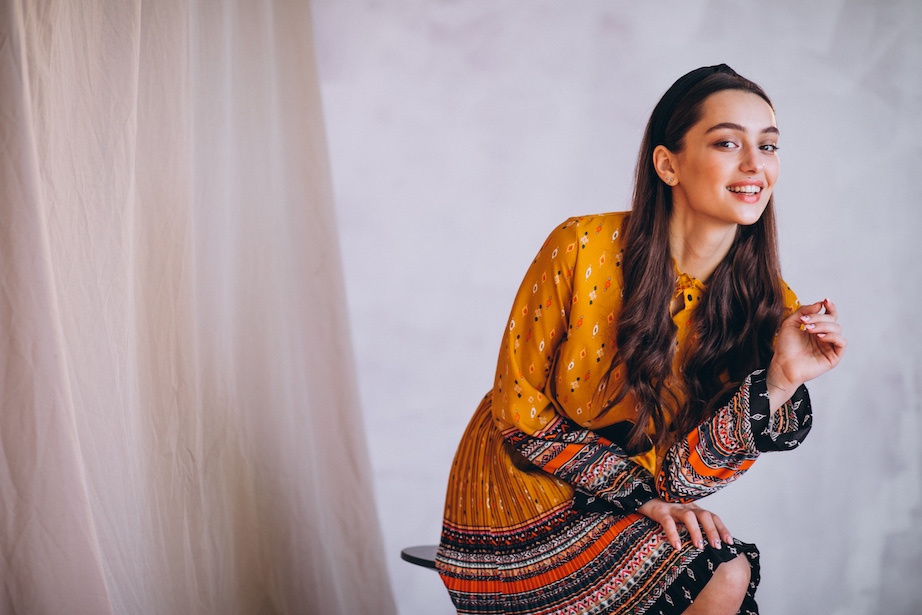
Fashion can tell powerful stories. Each stitch, fabric, or pattern represents a heritage we hold in common with communities around the world. Yet, so few of those stories are ever told beyond local festivals and regional markets. Today, we have the opportunity to be a part of their story, as cultural stories enter the international business space through the global fashion community. The intersection of a rich tradition and current trend has allowed cultural attire to walk the runways of the highest prestige, be sold on retail racks, and be marketed online, signaling that heritage is more than historical legacy; it is an active contributor to the modern economy.
The Rise of Cultural Fashion in the Global Market
What was once niche or regional attire is now being recognized as an emerging segment of the fashion industry. For example, Japanese kimonos, traditional dress for women, have inspired contemporary fashion silhouettes and shapes, while, similarly, African prints are influencing a world of luxury streetwear in apparel and accessories.
Why this recent surge? Because shoppers today desire meaning in their purchases. They don’t just want a dress; they want a story. Cultural fashion satisfies this need to tell stories because it provides:
- Authenticity: Garments designed and crafted with heritage and history in mind.
- Diversity: An opportunity for global shoppers to embrace fashion that is not exclusively theirs.
- Sustainability: Many cultural pieces are made using traditional, hand-made techniques that align with the slow fashion way of thinking.
All of this makes cultural or traditional attire not only stylish, but socially relevant and ethically conscious.
The Digital Gateway: How E-Commerce Amplifies Tradition
The game-changer in this cultural fashion movement is global e-commerce. The advancement through online platforms allows independent, small designers and artisans to reach audiences that were never before accessible in their local markets. And just like that, a hand-woven shawl from Peru, or an intricately embroidered kurta from South Asia, can be purchased by a customer in London or Los Angeles in a few keystrokes.
E-commerce allows:
- Endless visibility for heritage brands on international platforms.
- Social media marketing, where influencers can share cultural garments with millions of social media users.
- Access to authentic designs in the customer’s own home without needing to travel internationally.
The digital shift has transitioned traditional clothing from locally made specialty pieces to a consistent international fashion must-have.
Tradition and Modern Reality
While it’s vital for cultural outfits to be authentic, the designs that make their way into the international market are often not straight replicas of past garments. There are a number of designs that are a combination of culture and current cuts, fabrics, and shapes, and that appeal to a broader audience.
- Traditional embroidery appears on contemporary jackets and handbags.
- Flowing ethnic fabrics are repurposed into modern jumpsuits or evening gowns.
- Outfits designed for festivals are reimagined for office wear or casual weekends.
This balance between honoring roots and meeting modern style demands is what makes cultural fashion sustainable in global business. It allows heritage to evolve without losing its essence.
Business Opportunities in Cultural Fashion
Opportunities for Wearing Cultural Designs in Modern Fashion
The ability to sell cultural outfits on the international market allows for opportunities at all levels:
- For designers: a way to showcase their craftsmanship to the world;
- For retailers: a rare opportunity to differentiate themselves from fast fashion.
- For consumers: the ability to wear high-quality, meaningful pieces that represent their heritage.
Additionally, luxury fashion brands and retailers have realized they can leverage everyone’s positive feelings about culture by teaming with representatives of some of these cultural groups to develop a collection for them that combines global luxury with culture. This is a way to lift up the brand and to create standard and price points above the rest of the market.
This is the context for highlighting heritage examples like the Pakistani dress. It has deeper connections to South Asian exports, cottons, textiles, and a reputation for creative embroidery, flowing fabrics, and cultural narratives related to the dress. It could not be a better example of how traditional dress can move beyond geographical borders to create opportunity for a global audience.
Cultural Fashion and Inclusivity
The second likely reason for cultural attire is the movement for inclusivity. Representation is important, and cultural wear provides that in spades. Customers are motivated to wear clothing that reflects the varied communities that exist across the globe. Whether it is a wedding in another country or wearing African prints to a music festival, we see customers embracing the fashion expressions of other geographical communities.
This inclusiveness fosters greater cultural appreciation and allows for traditions to live in spaces where they have historically been left out of. For global fashion, this is a win-win for everyone. Diverse designs, inclusive narratives, and customer loyalty are building.
Challenges to Overcome
Despite the success of cultural fashion, it brings challenges to the global business of fashion.
- Size benchmarks may differ greatly from region to region, making it difficult to purchase outfits online.
- Cultural sensitivity must be handled with care to avoid appropriation.
- Logistics and shipping costs still remain barriers for small artisan businesses trying to connect to their consumers.
Fashion brands are taking the lead with some innovation as the way forward. For example, the use of virtual fitting rooms, detailed descriptions of products, and storytelling campaigns can bridge the gap. Educating consumers to value their item for its heritage gives cultural respect regardless of the final purchase and strengthens brand value.
The Future of Tradition in Global Fashion
Looking ahead, cultural fashion is expected to expand even more. As sustainability takes precedence, consumers will gravitate toward heritage pieces that have been made more slowly, more thoughtfully, and with durability. Technology will also widen the opportunities; augmented reality shopping, AI personalization, and global influencer partnerships will enhance the accessibility of cultural fashion.
Most importantly, cultural outfits will continue to shift. They will remain emblematic of cultural heritage while transitioning to meet contemporary lifestyles, securing their stance in wardrobes, businesses, and economies around the world.
Final Thoughts
Cultural fashion is no longer positioned within a region; it is an active part of global business. Combining the old and the new, the possibilities for designers, retailers, and a community of consumers are endless.
From the local artisan preserving a craft practiced for centuries, to the global consumer engaging in diverse aspects of identification, cultural outfits have become more than just clothing. They are a proclamation of heritage, sustainability, and inclusiveness, reminders that as cultural outfits move through international availability, fashion is more than a passing trend; it is a timeless tradition defining a fashionable and connected tomorrow.
Image by senivpetro on Freepik
Contributed posts are advertisements written by third parties who have paid Woman Around Town for publication.