
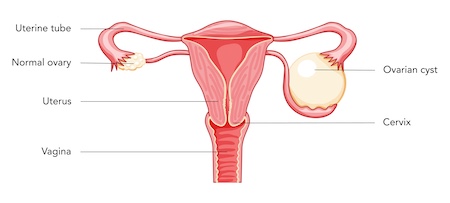
Many women develop ovarian cysts – small fluid-filled sacs on their ovaries – without ever noticing any symptoms. These cysts often develop naturally during menstrual cycles, resolving on their own without intervention. However, when they grow large or cause pelvic pain, they may require medical attention.
While most cysts are harmless, some can lead to severe pain, irregular periods, or even complications like a ruptured cyst. When you understand the why and how of cyst removal, you gain the confidence to advocate for your health. The article below breaks down all the key considerations.
Keep reading to learn more.
When Is Ovarian Cyst Removal Necessary?
Most ovarian cysts are functional cysts, such as follicular cysts and luteum cysts, which form during menstrual cycles and often disappear within a few months without treatment. However, some cysts—like dermoid cysts, endometriotic cysts (also called chocolate cysts), or complex cysts—may require surgical removal if they cause:
- Severe pain or sharp pain in the lower abdomen
- Heavy bleeding or bleeding between periods
- Pelvic pressure or a feeling of fullness
- Pain during sex or frequent urination
- A high risk of cancer (e.g., ovarian cancer cysts)
If you’re experiencing unusual symptoms, your doctor can use imaging technology like ultrasounds or MRIs to carefully examine the cyst. In some cases, blood tests (like the cancer antigen 125 test) may help rule out malignancy.
For those also dealing with fibroids in uterus treatment, similar diagnostic methods may be used to evaluate non-cancerous growths in the reproductive system.
Types of Ovarian Cyst Removal Procedures
The approach to removing ovarian cysts depends on several factors, including the cyst type and size and whether it causes troublesome symptoms, with options including:
1. Watchful Waiting
For simple cysts or those with mild symptoms, doctors often recommend monitoring through regular ultrasound scans. Hormonal birth control may be prescribed to prevent future cysts by regulating monthly periods.
2. Laparoscopic Surgery (Keyhole Surgery)
This minimally invasive procedure involves small incisions and a camera-guided instrument to remove the cyst while keeping the ovaries intact. Benefits include:
- Faster recovery times
- Less postoperative pain
- Lower risk of complications
This method is ideal for benign cysts, such as functional cysts or dermoid cysts.
3. Laparotomy (Open Surgery)
For larger cysts, cancerous cysts, or cases where the cyst ruptures and causes internal bleeding, a laparotomy may be needed. This involves larger incisions and may require removing the entire ovary if malignancy is suspected.
When women understand the full range of procedures available, they become active partners in selecting treatments that honor both their health needs and life goals.
Recovery After Ovarian Cyst Removal
The recovery process after ovarian cyst removal varies depending on the type of procedure performed. For laparoscopic cystectomy patients, most can return to regular activity within about a week, with minimal discomfort managed by pain medicine. You’ll recover much faster with this less invasive method, but you’ll still need to take it easy and skip challenging workouts for a couple of weeks afterward.
For those who undergo laparotomy (open surgery), recovery takes longer—usually four to six weeks—due to the larger incisions required. During this time, patients may experience more postoperative pain and need to restrict physical exertion. Follow-up health assessments, including ultrasound scans, help monitor healing and ensure no cyst recurrence.
To support recovery, doctors may recommend:
- Light walking to promote blood circulation
- Avoiding heavy lifting for several weeks
- Hormonal therapies to regulate monthly periods and prevent future cysts
Most women experience relief from symptoms soon after surgery, with full recovery depending on individual healing and the complexity of the procedure.
Risks and Complications
While doctors consider ovarian cyst removal to be relatively safe, it’s essential to understand that no surgery is entirely risk-free. The likelihood of complications depends on factors like the type of surgery, the cyst’s characteristics, and the patient’s overall health.
For laparoscopic surgery, risks include minor postoperative pain, infection at incision sites, or small amounts of blood loss. In rare cases, there may be damage to nearby pelvic organs like the bladder during surgery or bowel perforation. Some patients develop scar tissue that could lead to future fertility concerns or pelvic pain.
More serious complications may occur with laparotomy procedures, including higher risks of:
- Blood clots due to reduced mobility during recovery
- Significant blood loss requiring blood transfusion
- Twisted ovary (ovarian torsion) if the blood supply is compromised
- Longer-term issues like bowel movement changes or bladder damage
Choosing an experienced surgeon at a reputable surgical center significantly reduces these risks. Most complications are manageable when detected early through proper patient education and follow-up care with your healthcare team.
Conclusion
Ovarian cyst removal can provide relief from symptoms and peace of mind, especially for those with frustrating symptoms or fertility concerns. If you suspect you have a cyst, consult a healthcare professional for an ultrasound scan and personalized treatment options.
With medical advancements, procedures like laparoscopic surgery offer quicker recovery times and minimal complications, making ovarian cystectomy a safe and effective solution for many women.