The Challenge of Balancing Emotional and Practical Demands
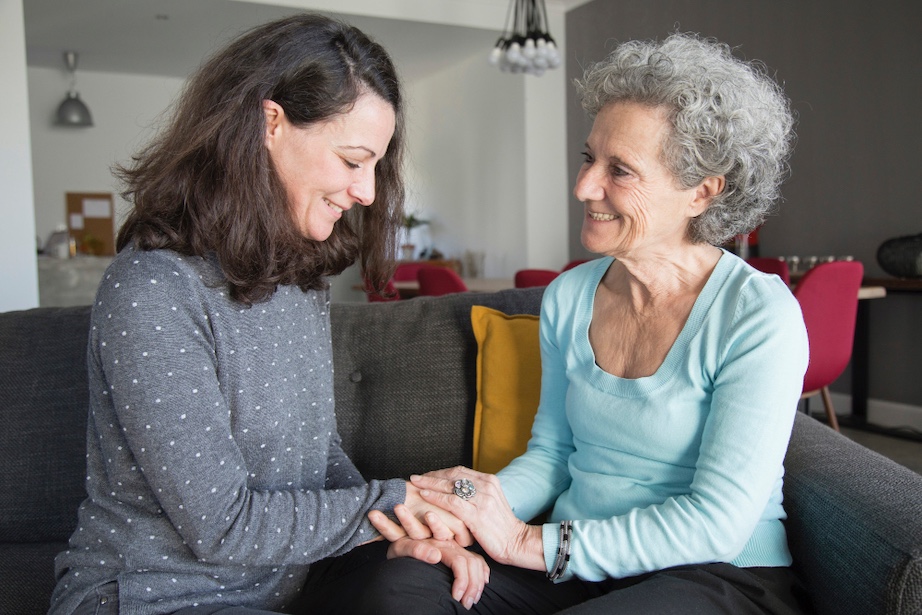
When an aging mother needs additional support, adult daughters often face one of life’s most difficult decisions. The responsibility of arranging appropriate care comes with significant emotional weight—concerns about preserving dignity, maintaining quality of life, and ensuring safety all play crucial roles in this process.
Many families struggle with the tension between wanting to keep Mom in familiar surroundings and recognizing when more structured care might be necessary. This decision point typically emerges gradually as small signs accumulate: perhaps medication management becomes challenging, mobility decreases, or everyday tasks grow more difficult.
Family dynamics inevitably shift during this transition. Roles reverse as adult children begin caring for those who once cared for them. This evolution requires thoughtful planning, open communication, and regular reassessment as needs change.
Understanding the Unique Needs of an Aging Parent
Effective care planning begins with a thorough evaluation of your mother’s specific requirements across several domains:
Physical Needs:
- Mobility level and fall risk
- Medication management capabilities
- Personal hygiene assistance requirements
- Nutritional needs and meal preparation abilities
Emotional and Social Requirements:
- Cognitive status and mental health
- Social connection opportunities
- Personal interests and meaningful activities
- Religious or cultural practices
Many aging mothers strongly prefer maintaining independence whenever possible. For example, Mrs. Johnson had early-stage dementia but could still manage most personal care with minimal supervision. Her family arranged for timed medication dispensers and daily check-ins rather than full-time facility care, allowing her to remain in her home of 42 years—the environment where she functioned best.
Comparing Care Options: Home-Based vs. Institutional Settings
When weighing care alternatives, understanding the fundamental differences between personalized home care and nursing facilities helps families make informed decisions:
| Aspect | Home-Based Care | Nursing Facility |
| Environment | Familiar, personal surroundings | Structured, clinical setting |
| Schedule | Flexible, adaptable to preferences | More standardized routines |
| Attention | One-on-one focused care | Staff caring for multiple residents |
| Autonomy | Greater independence possible | More institutional rules |
| Social | Family and existing community | New community of residents |
Many families find that home-based care allows for greater customization. Services can be scaled from occasional help with errands to comprehensive 24-hour support. This flexibility often contributes significantly to emotional well-being.
Professional home care in Myrtle Beach provides an excellent example of how personalized services can be tailored to meet specific needs while allowing seniors to remain in familiar environments. Similar options exist nationwide, with services ranging from companionship to skilled nursing assistance.
The continuity of remaining in one’s own home often reduces confusion and anxiety, particularly for those with cognitive challenges. This stability can support better physical health outcomes and emotional comfort.
Creating Compassionate and Secure Home Care Solutions
Successful home care requires careful attention to several key elements:
Safety Modifications
Creating a secure environment may include:
- Installing grab bars in bathrooms
- Removing trip hazards like loose rugs
- Improving lighting in hallways and stairs
- Adding medical alert systems
Professional Caregiver Selection
Quality caregivers become extensions of the family. When selecting providers, consider:
- Background checks and professional certifications
- Experience with specific medical conditions
- Communication style and personal compatibility
- Reliability and consistency
Personalized Care Routines
Effective home care preserves dignity through customization. Caregivers can accommodate personal preferences in:
- Morning and evening routines
- Meal times and food preferences
- Bathing schedules and methods
- Activity and rest patterns
Regular assessment of these care routines ensures they continue meeting changing needs. Many families establish communication notebooks or digital systems to track observations, medications, and important events.
Steps to Begin the Home Care Process
Implementing home care involves several concrete actions:
- Assess current needs through consultation with healthcare providers
- Research local providers through referrals, reviews, and interviews
- Develop a detailed care plan with specific goals and services
- Prepare the home environment with necessary modifications
- Create a financial strategy for sustainable care
When evaluating providers, request detailed information about:
- Caregiver screening and training processes
- Backup plans for caregiver illness or turnover
- Cost structures and insurance participation
- Emergency response protocols
Many families benefit from staging the transition, perhaps beginning with part-time assistance during particularly challenging times of day. This gradual approach helps everyone adjust to new routines.
Involving siblings and other family members early in planning helps distribute responsibilities and ensures all perspectives are considered. Regular family meetings can address concerns and adjust strategies as conditions change.
Honoring Dignity Through Personalized Care
The goal of personalized home care extends beyond meeting basic physical needs—it aims to preserve identity, relationships, and meaningful engagement. By maintaining connections to familiar spaces, routines, and communities, home care often supports better quality of life.
Choosing this path requires ongoing commitment and flexibility. Needs will change, requiring adjustments to care plans and possibly increased services over time. Regular reassessment helps ensure the arrangement continues to serve everyone well.
For many families, the effort to create personalized home care solutions proves worthwhile. The comfort of knowing Mom remains in familiar surroundings, receiving individualized attention suited specifically to her needs, offers peace of mind during a challenging life transition.
By approaching care decisions with thorough information, clear communication, and respect for personal preferences, families can create supportive environments that honor their mothers’ dignity while providing necessary assistance.
Image by katemangostar on Freepik
Contributed posts are advertisements written by third parties who have paid Woman Around Town for publication.