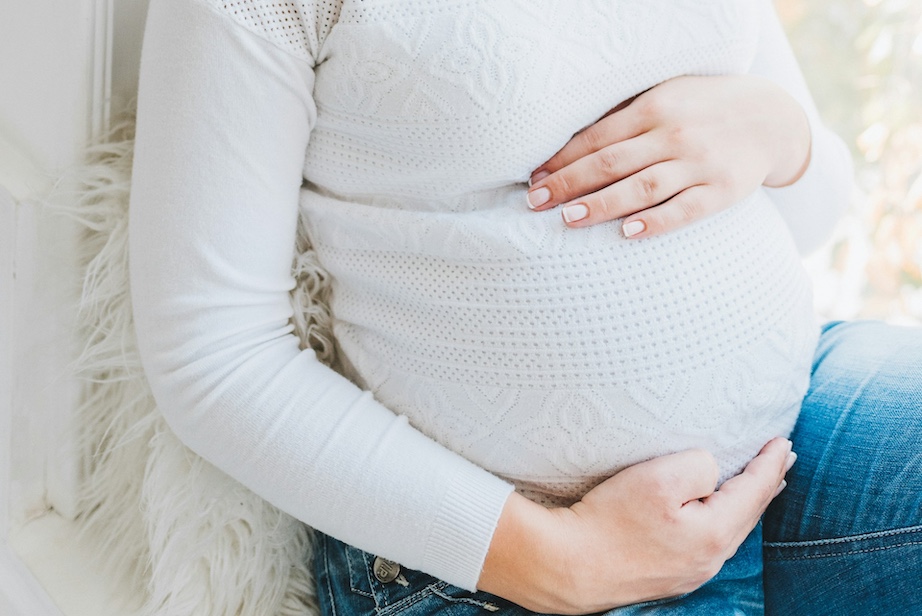
Pregnancy after bariatric surgery is safe for women so long as the correct measures are being taken to ensure the health and safety of both mother and baby. In fact, bariatric surgery is now an option used by women of reproductive age to help increase their fertility rates.
Women with obesity or weight-related health problems tend to have problems with conceiving. This is for several different reasons. Many of these women will undergo some form of bariatric surgery to help them lose weight, and then they proceed with trying for a baby. Let’s discuss everything you need to know about pregnancy post-bariatric surgery.
Relationship Between Weight Loss and Pregnancy
There is a clear correlation between losing weight and increasing the chances of becoming pregnant. Women who carry more weight tend to have higher estrogen levels which can cause difficulty in getting pregnant. Both your ovaries and the fat cells in your body produce estrogen. The heavier you are, the more estrogen you have. Your body may be tricked into thinking you are on hormonal contraception, like the pill, which can decrease your chances of regular ovulation, therefore decreasing your chances of pregnancy. This issue can also increase your chances of developing PCOS, which can greatly impact your health and contribute to your weight problem too.
Now think the opposite. If a woman were to start losing weight, improving her food intake, increasing exercise and just overall living a better lifestyle, then these estrogen levels would begin to drop due to the reduction of fatty cells in the body. This results in improved hormonal cycles and may improve the chances of conceiving.
Losing weight can also have a positive impact on your experience throughout pregnancy. The risk of developing gestational diabetes, having high blood pressure, and even going through a miscarriage can be reduced. Additionally, things like your ultrasound appointments will become easier and the likelihood of requiring a cesarian section is decreased.
Timeline of Pregnancy
One of the big questions you may ask yourself is, when is the right time to conceive after bariatric surgery? The answer is to first always consult with your own doctor, midwife, or medical team. They will be able to provide you with the best advice for your situation. The general recommendation is to wait a minimum of 18 months before attempting to conceive, and even up to 2 years if you can allow yourself to. These are the guidelines provided by experts in the field.
This time will allow your body to adjust to all the changes happening to it. Post-bariatric surgery, your food intake may not be as high as it was, you are experiencing fast weight loss, and your body may not be absorbing as many vitamins, like vitamin D or B12, as it needs. In this time frame, your body should be adjusting to all of this.
It is important to always keep in contact with the doctor who did your surgery and check with them if everything post-op is going accordingly. They can offer advice on the right time to start trying for a baby. As well, it is recommended to work with a dietician to stay on top of your nutrition, ensuring you are getting the correct nutrition that you need for yourself and the baby when you get pregnant. They may recommend taking supplements of key vitamins and minerals. It is essential to stay hydrated and maintain a balanced intake of proteins, carbohydrates, and healthy fats to help support your pregnancy
Maintaining Weight During Pregnancy
One thing that some pregnant women may forget, especially after bariatric surgery, is that it is important to try and maintain or even gain weight throughout the duration of your pregnancy. Try not to restrict your calorie intake once you are pregnant. These calories are necessary for your health and your baby’s growth. It is essential that pregnant women get sufficient nutrients, like proteins and vitamins, throughout their pregnancy. Bariatric surgery can increase the risk of malnutrition. However, this is usually easily managed with the correct care and advice from healthcare professionals.
Consult with your doctor on what your food intake should look like and what weight you should ideally be at to be considered healthy. This may be difficult for weight loss surgery patients to achieve as they are in the constant mindset of losing weight, but you must do what is best for you and the baby.
If, during your pregnancy, you experience any symptoms of extreme nausea, loss of appetite, or unusual weight loss, seek immediate medical attention.
Breastfeeding Concerns
Some women may have concerns about breastfeeding after pregnancy when they’ve undergone bariatric surgery. This is not an issue of concern. It is okay for you to breastfeed your baby. The only thing to be aware of that is that you may have slightly fewer nutrients inside your body than the average postpartum mom. As previously mentioned it is important to be aware of your diet and the nutrients that you are absorbing throughout your pregnancy. This is no different from when you have your baby and want to breastfeed. Always be aware of what you are putting into your body and consult with a dietician for professional advice.
Other Weight Loss Options Before Pregnancy
It goes without saying that bariatric surgery may not be the right weight loss option for everyone. Some women are not in the position to undergo surgery. If you want to lose weight to improve your chances of fertility, there are some other non-surgical options that you can avail of.
You have probably heard about semaglutide injections like Ozempic. Other companies also developed new non-surgical procedures and devices in recent years which have brought good results. For instance, in 2024 the FDA approved a non-surgical gastric balloon by Spatz Medical. These are just some of the options for helping you achieve your weight loss goal before trying to get pregnant, but make sure to talk to your doctor before making any decision.
Obviously, the cheapest and most risk-free option is to try and lose weight naturally by following a healthy, balanced diet and incorporating exercise into your life. However, this way will be a much longer and slower process than any of the options listed above. Some of you may be on a time crunch to lose weight before attempting to conceive. In this case, always consult your doctor or a healthcare professional on what the best option is for you. Seeking advice from a fertility specialist may also help determine the best weight loss strategy.
Photo by Anastasiia Chepinska on Unsplash
Contributed posts are advertisements written by third parties who have paid Woman Around Town for publication.