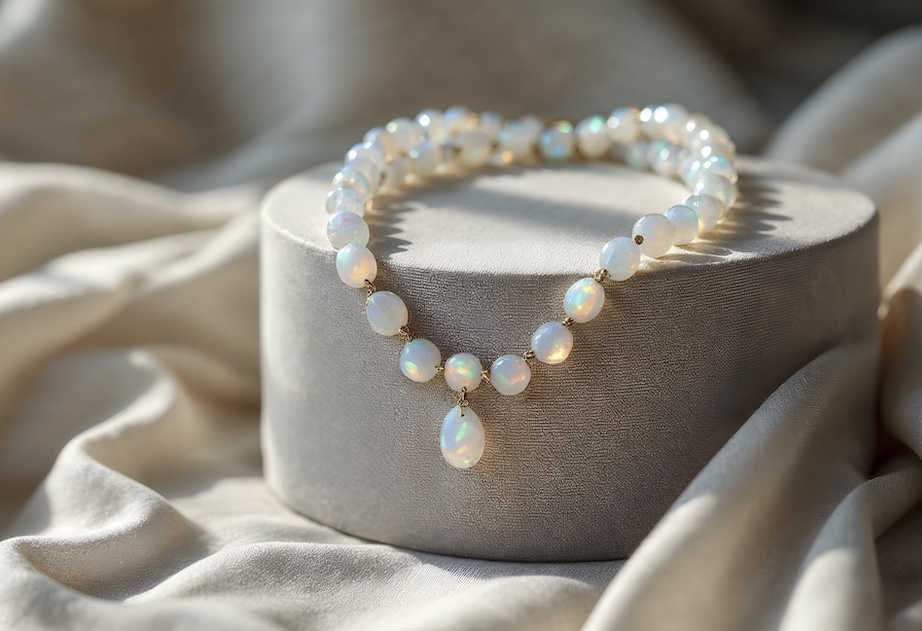
Getting your materials right is an essential part of creating something visually appealing in jewelry or craft projects. For example, pearl beads are an eternal classic. One downside you would face is that pearls are available in multiple shapes and sizes, making it a challenging task to choose microscopic pearl beads. This guide is designed to make the task more straightforward, providing helpful advice on selecting the ideal beads for any project.
Understanding Pearl Types
To choose from pearl beads, you should first know the types. Peals are classified in three major types: natural, cultured, and imitation. Natural pearls are rare but expensive, and are often present in antique jewelry. Cultured pearls are those that are facilitated by humans, and well-prepared pearls that are easy to get. Cheap and varied, imitation pearls are crafted from various materials, including glass and plastic. Being aware of these differences builds the ability to make conscious choices.
Size Matters
Different sizes of pearl beads are available, and the choice of size depends on the project you are making. Use smaller beads that are between 2 mm and 4 mm for pattern designs or accents. For bracelets and earrings, use medium-sized beads, approximately 5mm to 7mm in diameter. Such as 8mm and above for necklaces (or bold statements) require more punch. The effect you want to achieve and the type of project will determine what size you choose.
Color Considerations
Pearls come in a range of colors, including traditional white and cream, as well as exotic pink, lavender, and black. Choosing the perfect color depends on the project’s theme and the person’s personal taste. Ivory and cream pearls can be worn on any occasion, from casual to formal, due to their versatility. Colored pearls offer a more unconventional option, allowing for creativity and a personal touch, and yielding some mind-boggling results through the exploration of various hues.
Evaluating Quality
When it comes to pearl beads, which have a variety of uses, quality is everything. Several characteristics, including luster, surface, shape, and nacre thickness, help determine the grade of a pearl. The luster refers to the shine and reflection on a pearl’s surface. The finish of a high-quality pearl will be bright with a near mirror-like appearance. Surface quality refers to the absence of characteristics that can be considered defects. Fewer blemishes indicate better quality. So, pearls are formed in different shapes, from round to baroque. Usually, round pearls are more valuable. Lastly, nacre thickness affects durability. A pear with thicker nacre tends to last longer.
Setting a Budget
Before purchasing pearl beads, it is essential to establish a budget. It depends on the type, size, and quality. The most expensive of the bunch, natural pearls, offer more affordable alternatives in the form of cultured and imitation pearls. Establishing a firm budget will help keep your selection within a manageable range and guarantee a favorable purchase without breaking your savings/ bank balance.
Selecting a Reputable Supplier
Selecting a suitable vendor ensures that the pearl beads are real and of acceptable quality. Finding reliable sources often involves researching your suppliers, reading reviews, and asking for recommendations. A well-known supplier will also provide a detailed description of the product and a certificate for a high-quality pearl. A good relationship will also lead you to being offered exclusive deals and personal service from your supplier.
Considering the Project
The project will provide you with an idea of the type of pearl beads to use. If you create dainty pieces of jewelry, smaller beads might be better. In contrast, large statement pieces can utilize larger, more vibrant beads. This helps you select the right pearls for their project, adding to your finished design with the intended purpose, not just as it is assumed.
Experimenting with Styles
The sky is the limit in terms of what you can create with pearls. Combining varieties, sizes, and colors yields unexpected, custom designs. Adding texture and interest by combining pearls with other materials, such as gemstone beads or metals. Encouraging experimentation and finding new ways to engage with a project can create the things we like best, bringing a personal touch to each piece.
Conclusion
When selecting the pearl beads to use, there are several factors to consider, including type, size, color, and quality. Additionally, establishing a fixed budget and securing a trusted supplier are also essential steps. With these aspects in mind, and by finding a balance with the project’s purpose, anyone can produce excellent, successful designs. Pearl beads, evoking a sense of class and used in many creative projects, inspire and provide beaded beauty to countless things!
Contributed posts are advertisements written by third parties who have paid Woman Around Town for publication.