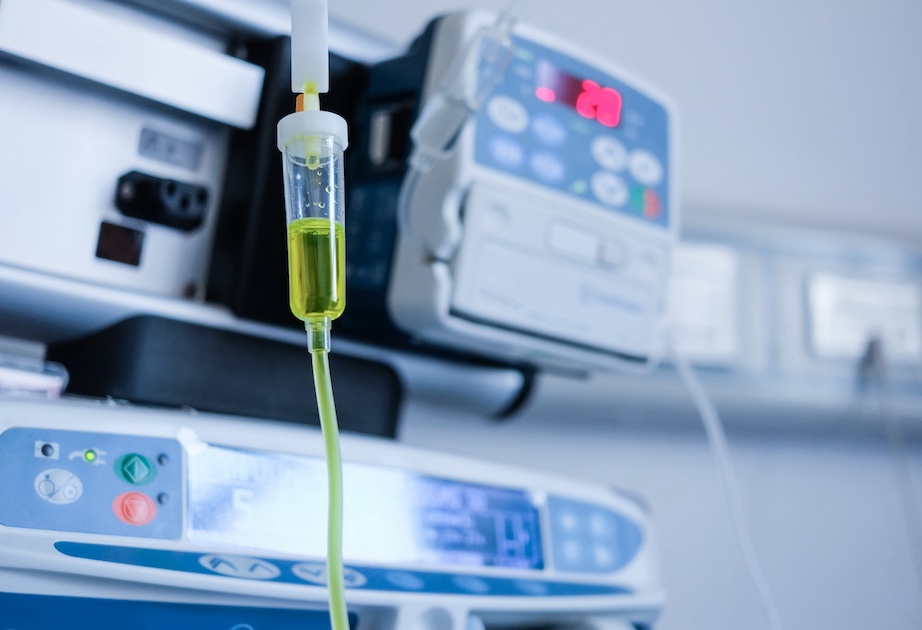
Infusion pumps are essential medical devices found in almost every healthcare setting. They deliver specific amounts of medication to patients and need to be well-maintained to ensure they work when needed for as long as needed. Here are tips on the practical side of infusion pump management.
Understanding Infusion Pumps
Infusion pumps precisely deliver fluids, such as nutrients or medications, to patients. They’re found in hospitals, clinics, and home care settings. They need periodic maintenance to operate precisely and safely. Many facilities invest in reliable medical infusion pumps to ensure accurate treatment and consistent patient care.
Routine Inspections
Regular inspections are important because they can identify potential problems sooner. Healthcare facilities should implement a schedule to check each pump. Inspections normally check the external portion of the device for damage and ensure that all the connections are stable. Spotting the most minor wear or malfunction can stop a larger problem down the road.
Cleaning and Disinfection
The cleanliness of infusion pumps is crucial for patient safety. Cleaning agents should be used according to the manufacturer’s advice. Infections can have a huge impact on physiology, and hence, regular disinfection reduces that risk and maintains the equipment in good shape. Also, cleaning prolongs the life of the device.
Battery Maintenance
Infusion pumps are portable and often use battery power. When the device is going to be used, a battery check always occurs. Make sure to replace the batteries when necessary and maybe even keep a spare around. The facilities should always comply with the manufacturer’s battery care and replacement schedules.
Software Updates
Many modern generation infusion pumps may have a software component that comes with them and may need updating. Updating software lets the device function with the latest features and security updates. Per manufacturer directions for installation, facilities need to check for updates regularly.
Calibration and Testing
Fluid volumes dispensed from infusion pumps are accurate as part of the calibration process. Precision needs to be maintained with regular tests and recalibration. Healthcare providers should follow the recommended calibration frequency and use dedicated equipment.
Training and Education
Infusion pumps are only as good as the staff maintaining them. Routine education teaches staff how to operate the device, as well as maintenance procedures and troubleshooting methods. Staff are trained to manage small issues before they become bigger.
Documentation and Record Keeping
Thirdly, you need to log and document all maintenance work performed. Such documentation should include dates of inspections, when equipment was cleaned, a battery replaced, software updated, or equipment updated, and related results. This information gives you a complete history of every device and helps you identify patterns or issues that keep coming up.
Preventive Maintenance
Preventive maintenance keeps infusion pumps in prime condition. This method reduces the chances that the algorithm will fail randomly. Plants additionally need to outline a preventive maintenance schedule common for their applicant gadgets based on their age, usage, and other factors.
Common Troubleshooting Tips
Keeping this in mind, problems can still show up when using this machine, even with regular maintenance. Many times, it is alarms, a wrong flow rate, or a device error. Staff should learn basic troubleshooting methods, such as checking for blockages or verifying settings. It’s also important to know when to call tech support.
Ensuring Compliance with Regulations
Healthcare facilities must comply with regulations regarding medical devices. These guidelines will help maintain safety standards and avoid lawsuits. Facilities should remain current on any regulation changes affecting infusion pump maintenance practices.
Utilizing Manufacturer Support
Custodians provide helpful resources and assistance in maintaining infusion pumps. This help can take the form of technical assistance, guides, and training materials. Having a connection to the manufacturer will give you a source of expert advice when it is most valuable.
Conclusion
Background: The reliability of infusion pumps in a hospital places a massive responsibility on their maintenance. With regular inspections, cleaning, software updates, and staff education, healthcare facilities can keep these devices in optimal condition. Facility maintenance best practices improve patient safety, lengthen the device’s lifespan, and support better healthcare results.
Contributed posts are advertisements written by third parties who have paid Woman Around Town for publication.