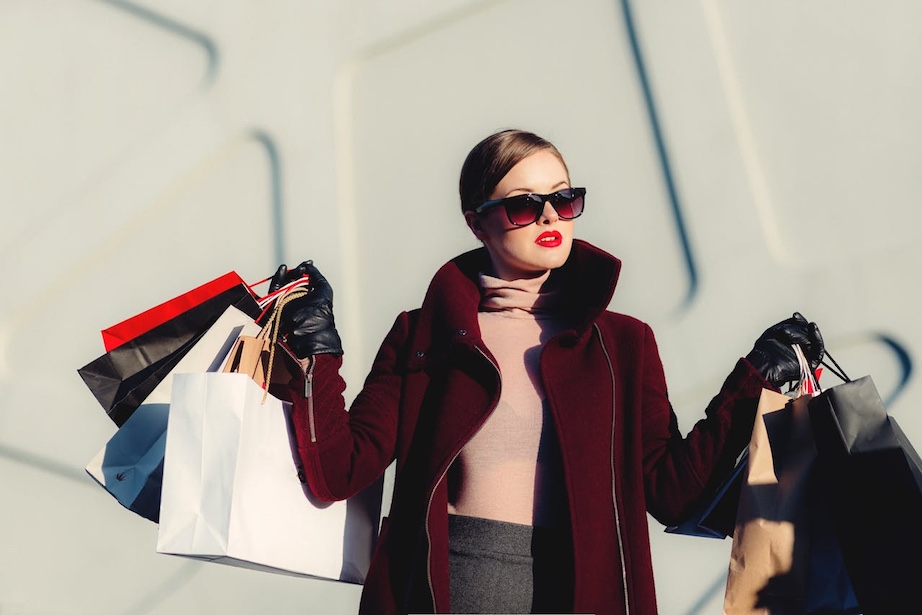
Buying your first piece of luxury fashion can feel like stepping into a new world. The price tags are high, the brands have deep histories, and the options can be overwhelming. You might wonder whether you’re paying for quality, hype, or just the logo. These are valid concerns, especially if you want your purchase to be meaningful, not impulsive.
The truth is, luxury fashion doesn’t have to be intimidating. With a little guidance, first-time buyers can make informed decisions and enjoy pieces that offer lasting style and value. Whether you’re shopping for a timeless accessory or a standout wardrobe staple, it helps to know what sets luxury apart and how to choose wisely.
This guide will walk you through what to consider before buying, how to identify real quality, and where to start when it comes to building a luxury wardrobe that suits your personal style.
Understand What Makes Luxury Fashion Different
Before making a purchase, it’s important to understand what you’re buying into. Luxury fashion is defined by more than just price. It’s about craftsmanship, material quality, brand legacy, and thoughtful design. These products are often made with precision, using techniques passed down over generations.
Luxury pieces are also created in limited quantities. That exclusivity adds to their appeal, but also means you should choose items carefully. These aren’t throwaway purchases. They’re meant to last and often become part of your signature style.
If you’re not sure where to begin, La Patiala is a helpful online resource that breaks down luxury fashion concepts without the industry jargon. It offers accessible guides on everything from fashion history to quality indicators, making it easier for first-time buyers to shop with knowledge and confidence. You’ll find deep dives on heritage brands, glossaries of fashion terms, and curated insights that simplify the luxury space for newcomers.
Having a trusted resource makes it easier to compare options and avoid common pitfalls, like buying something just because it’s trendy or assuming all high-priced items are well-made.
Start with Core Pieces, Not Trends
When building a luxury wardrobe, it’s smart to begin with pieces you’ll actually use. These are items that work with what you already own and hold up over time. A well-cut blazer, a structured leather handbag, or a pair of classic flats are all smart first buys. They’re stylish without trying too hard and tend to stay relevant from season to season.
Avoid trend-driven items for your first purchase. It might be tempting to go for a flashy logo or limited-edition drop, but these pieces can lose relevance quickly. Focus on timeless designs in neutral tones or signature silhouettes that have stood the test of time.
Buying core pieces first also helps you build confidence. As you learn what you like and what works for your lifestyle, it becomes easier to make bolder choices later, without regret.
Learn the Value of Brand History and Craftsmanship
Luxury fashion isn’t just about how something looks; it’s about how it’s made and the story behind it. Many of the world’s most respected brands have built their reputations over decades, sometimes centuries. That history plays a big role in the quality and pricing of their products.
For example, Hermès is known for its leather craftsmanship, with artisans spending hours on each handbag. Chanel has a long-standing tradition of tailoring and design that influences everything from jackets to accessories. These brands aren’t charging for status alone—they’re offering pieces built with care, using time-tested methods and premium materials.
Learning about brand heritage can help you decide what fits your style and values. You may prefer a fashion house with a bold design approach or one known for understated elegance. Either way, knowing what makes a brand unique makes your purchase feel more personal and less like a trend-based decision.
Know Where to Shop and What to Look For
When you’re buying luxury fashion for the first time, where you shop matters. Start with official brand stores or trusted retailers. This gives you peace of mind when it comes to authenticity, sizing, and return options. You also get better access to customer service, which can make the experience more enjoyable.
If you’re open to buying secondhand, there are platforms that offer pre-owned pieces that have been verified for authenticity. That said, shopping resale takes more effort. It’s important to do your homework on item condition, past pricing, and potential repairs.
Always read product descriptions carefully. Look at materials, stitching, and care instructions. High-quality clothing and accessories should feel sturdy and look cleanly finished. If something feels too light, poorly constructed, or heavily branded without substance, it might not be worth the price.
Set a Budget and Think Long Term
Buying luxury doesn’t have to drain your bank account. Set a budget and stick to it. Whether you’re spending $500 or $5,000, the goal is to feel good about your purchase, not pressured or impulsive.
One smart approach is to think in terms of cost-per-wear. A $900 handbag that you carry every week for two years becomes a better deal than a $300 one you rarely use. Timeless items often get more use, which makes them worth the initial price.
If there’s a specific item you’ve had your eye on, give yourself time to save. Waiting a few months gives you time to confirm that it’s still something you want, and it feels more rewarding when you finally make the purchase.
Luxury fashion doesn’t have to feel off-limits or confusing. With a little research and a thoughtful approach, first-time buyers can make purchases that feel smart, stylish, and satisfying. It’s not about chasing trends—it’s about finding quality pieces that work for your life and reflect your personal style.
Start slow, ask questions, and use resources that help you learn. In time, you’ll build a wardrobe that’s not just luxurious, but meaningful too.
Photo by freestocks.org on pexels.com
Contributed posts are advertisements written by third parties who have paid Woman Around Town for publication.