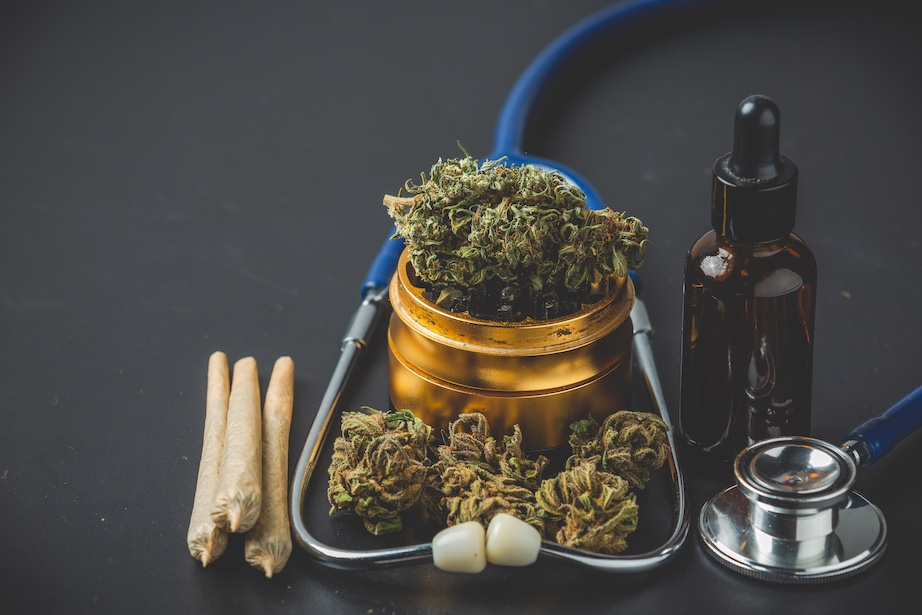
Medical cannabis dispensaries are a promising new option for those who are suffering from mental health issues over the past couple of years. Although marijuana is well-known to relieve physical pain, it’s increasingly becoming an effective medication for anxiety, depression and PTSD. For those trying to navigate mental health, these dispensaries represent a fresh path — a path that values individualised care and non-invasive treatments. Is medical cannabis the answer you’ve been looking for?
What Is the Importance of Medical Cannabis to Mental Health?
The use of medical cannabis can help treat multiple mental illnesses. Because it interacts with the body’s endocannabinoid system, it provides promising therapeutic effects in conditions like anxiety and PTSD. Recognising these mechanisms can help patients make better treatment choices.
Understanding the Endocannabinoid System
The ECS regulates the body’s inner harmony. It contains cannabinoid receptors, endocannabinoids, and enzymes that create and destroy these endocannabinoids. The cannabinoid receptors (primarily CB1 and CB2) span the brain and immune system, affecting mood, memory and stress.
If you ingest cannabis, it engages with these receptors, possibly changing mood and reducing symptoms of mental illness.
Cannabis and Mental Health Disorders
The use of cannabis has been shown to be effective against a number of mental illnesses, including anxiety, depression and PTSD. Cannabinoids present in cannabis such as THC and CBD can influence mood and stress levels.
- Fear: The lower the amount of THC and the higher the amount of CBD, the less anxiety.
- Depression: There are some reports that CBD has antidepressant properties.
- PTSD: Using marijuana can be used to ease symptoms by preventing flashbacks and anxiety.
And of course, reactions to cannabis can vary, and we still need more studies to determine the full extent of those effects.
Patient-Centered Approach
An individualized medical cannabis treatment plan is a patient-centered approach. This means taking into account your unique condition, history, and experience with cannabis. Medical professionals may begin at very low doses and adjust as necessary for optimal results.
Measures, like patient evaluations and periodic testing, ensure that the therapy continues to be successful and safe.
Cannabis treatments typically involve a range of different ways of taking it – edibles, oils, or inhalation, depending on what works best for you. For those looking for an inhalation type, you may opt to consider and buy THCA flower for a fast-acting, non-psychoactive option that can help with relaxation and stress relief without the high associated with THC. The open dialogue with healthcare providers is key to a targeted and flexible mental health management model.
Dispensary Services and Patient Support
Patients rely on dispensaries to help them personalise their experiences, provide counselling and education, start community projects, and work with other clinicians. This integrated model encourages mental health and gives whole patient care.
Personalizing Patient Experience
Upon entering a medical cannabis dispensary, you will experience individualized attention. Employees will take the time to learn about your health history and ailments. This allows you to not only get the right products, but also the products that fit your health profile.
Offering individualized treatment services steers you toward the right treatment. Personalized consultations help you find cannabis strains that are suitable for anxiety, depression or other mental illness.
Community Support Initiatives
Many dispensaries participate in community engagement by hosting help programmes such as workshops or wellness conferences. If you are a patient, these programs might be useful for sharing knowledge about mental health treatment and getting to know other patients.
Some dispensaries even engage in education initiatives to promote medical cannabis. They strive to lessen stigma and boost your support system in general through a sense of community.
Collaboration with Healthcare Providers
Medical cannabis dispensaries will often work with medical doctors to make sure patients get the full attention they need. These partnerships involve discussing with their physicians what they know about a patient’s medical marijuana use in order to build similar and effective therapies.
These partnerships foster an integrated approach to healthcare that connects traditional and alternative treatments. This partnership provides more coordinated, targeted interventions that ensure patients’ holistic health.
Such efforts are reflected across states where dispensaries combine community and medical resources. Rootdown Ocean Springs reflects this approach by focusing on patient education and advocacy. Rootdown is all about providing consumers with reliable medical marijuana information so they can make informed choices that best suit their specific medical conditions. Through building a culture of trust and transparency, dispensaries such as Rootdown help medical cannabis become a part of more comprehensive care.
Compliance, Safety, and Ethics
Getting involved with medical cannabis dispensaries has many legal, safety, and ethical issues. Understanding these factors ensures that you’re given the best, safest care and are treated with the highest moral integrity.
Navigating Legal Frameworks
Medical cannabis is not universally legal and the laws in many jurisdictions are opaque. There are potentially different rules about who can prescribe cannabis and what you can sell. We want dispensaries to strictly follow these regulations so they can keep their licenses and protect your patient rights.
In most jurisdictions, dispensaries are required to have all transactions documented and compliant with the state and federal law. Many providers now rely on Solvent, a fintech platform designed for high-risk industries like cannabis, to handle compliant payment processing and banking solutions that keep dispensary operations smooth and secure.
Ensuring Product Safety and Quality
When you’re looking at marijuana for medical purposes, product quality and safety are incredibly important. Smokeries have to abide by stringent safety standards, and ensure that products don’t contain contaminants such as pesticides or heavy metals. This gives you the confidence you’re eating a healthy item.
Lab testing for purity and potency is part of the quality control process. It is the testing that ensures you get exactly the dosage and composition you need for your therapy. Often, you can get access to these lab results to test for quality on your own, which gives you control over your decisions.
Ethical Considerations in Dispensing
In the ethical realm, the interaction between workers and patients comes first. Privacy is a must, and your medical data should be treated as confidential as possible. Moral prescribing means that you receive fair and impartial care.
Education and consent are also important moral dimensions. Your dispensaries need to provide you with full, true details about the items they sell. It allows you to make educated choices about your medical care, thereby fostering your independence and confidence.
Conclusion
Cannabis medical dispensaries increasingly offer mental health care, education, and treatment at the individual level. By connecting the dots between mainstream medicine and alternative medicine, they allow patients to make their own choices. Cannabis shops such as Rootdown are a prime example of this model, creating community and partnership in order to open up new avenues for mental health.
Contributed posts are advertisements written by third parties who have paid Woman Around Town for publication.