

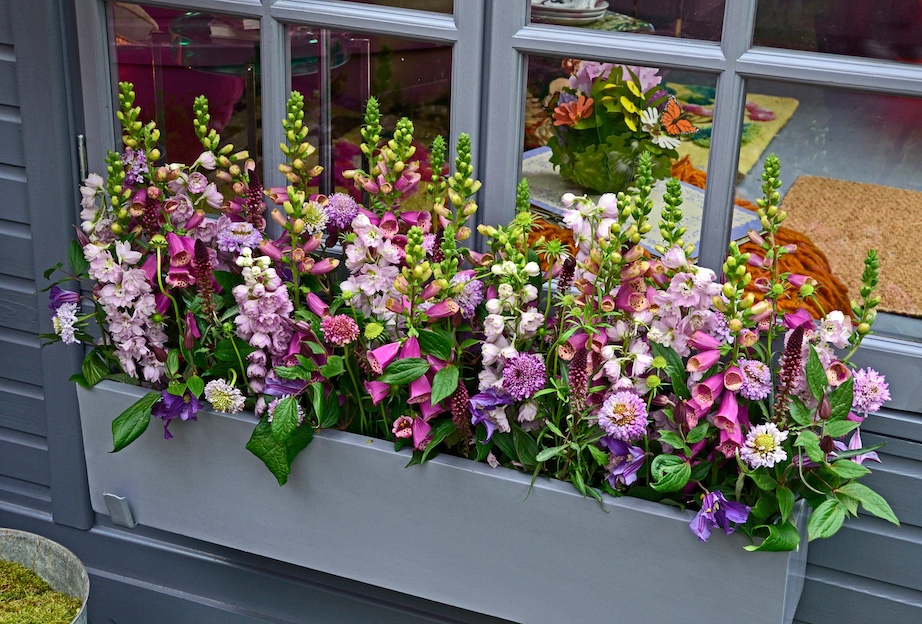
Window box gardens are a fantastic way to bring life, color, and even fresh herbs or veggies to your home, no matter how small your space is. Whether you’re a seasoned gardener or a complete beginner, these compact gardens are easy to start and maintain.
With a little planning and creativity in your window planter boxes, you can transform your windows into vibrant, green spaces. Here are seven must-know tips to help you get started.
1. Choose the Right Window Box
Your window box is the foundation of your garden, so it’s important to pick the right one.
Look for flower boxes made from durable materials. Make sure they have drainage holes to prevent waterlogging, which can harm your plants. Next, consider the size of your window and the weight the box will hold when filled with soil and plants. If you’re renting or don’t want to drill holes on your window sill surface, opt for brackets that attach securely to your window ledge.
Finally, you should look into options that can be used with accessories like window box liners and so on for protection, added aesthetic appeal, and others.
2. Pick the Perfect Location
Not all windows are created equal when it comes to gardening. Observe how much sunlight your window receives throughout the day. Most plants need at least six hours of sunlight, so choose a spot for your window planters that gets plenty of light if you’re growing flowers or veggies.
If your window is shaded, don’t worry! There are plenty of shade-loving plants like ferns, begonias, or impatiens that’ll thrive. Also, consider accessibility for easy watering and access.

3. Select the Right Soil
The soil you use can make or break your window box garden. Opt for a high-quality potting mix for iron window box planters. These mixes are lightweight, drain well, and often contain nutrients to give your plants a healthy start.
If you’re growing herbs or vegetables, consider a mix designed for edible plants. For flowers, a general-purpose potting mix will do. Remember, your plants rely on this soil for nutrients, so don’t skimp on quality.
4. Pick Plants Wisely
Ask yourself: want do you want to achieve with your window planters garden? Do you want a burst of color, fresh herbs for cooking, or a mix of both?
For a cohesive look and easier maintenance, pick plants with similar light and water needs. For instance, you can pair up flowering plants like zinnias and snapdragons for both have the same watering and sun exposure requirements.
On the other hand, you can plant basil, oregano, mint, and so on – they all love the sun and thrive well in small spaces like window planter boxes.
5. Water Regularly (But not too Much)
Window box gardens dry out faster than traditional gardens because they’re exposed to wind and sun. Check the soil daily, especially during hot weather, and water when the top inch feels dry.
Overwatering can be just as harmful as underwatering, so make sure your box has proper drainage. If you’re short on time, consider self-watering window boxes or include a layer of mulch to help retain moisture.
6. Fertilize for Healthy Growth
Plants in window boxes have limited access to nutrients, so they’ll need a little extra help. Use a balanced, water-soluble fertilizer every two to four weeks to keep your plants thriving. For edible plants, choose an organic fertiliser to ensure your herbs or veggies are safe to eat.
Remember to follow the fertilizer company’s instructions, and don’t overdo it—too much fertilizer can damage your plants.
7. Maintain Your Garden
Regular maintenance keeps your window box garden looking its best.
Deadhead spent flowers to encourage new blooms, trim back overgrown plants, and remove any dead or yellowing leaves. In addition, keep an eye out for pests like aphids or spider mites, especially in small spaces where they can spread quickly.
If you notice any issues, treat them promptly with natural or chemical solutions.
Bonus Tips for a Thriving Window Box Garden
This post is the gift that keeps on giving. Check out the following bonus tips so that you can have a thriving window box garden that you can get to enjoy year-round for years to come.
Rotate Plants Seasonally
Window box gardens are perfect for seasonal updates. In the spring, plant pansies or tulips. For summer, go for vibrant petunias or marigolds. In the fall, switch to mums or ornamental kale. This keeps your garden fresh and exciting year-round.
Protect Your Plants from Extreme Weather
Window boxes are exposed to the elements, so take steps to protect your plants. In hot weather, provide shade with a sheer curtain or move the box to a cooler spot temporarily. During heavy rain, ensure the drainage holes are clear to prevent waterlogging.
Add a Personal Touch
Your window box garden is an extension of your home, so make it uniquely yours. Add decorative elements like small figurines, painted stones, or a mini trellis for climbing plants. Personal touches make your garden feel special and inviting.
To Conclude
Starting a window box garden is a rewarding way to bring nature to your home, even if you’re short on space.
By keeping in mind the pointers above, you can create a thriving garden that adds beauty and functionality to your windows. Whether you’re growing flowers, herbs, or veggies, those tips will set you up for success.
What are you waiting for? Grab your gardening gloves and get started today—your perfect window box garden is just a few steps away!
Contributed posts are advertisements written by third parties who have paid Woman Around Town for publication.