There was a time when camcorders were part of everyday life. You’d pull one out at a birthday party or a backyard barbecue, hit record, and let it roll. No script. No retakes. The image was soft, the audio shaky, and yet somehow, it all felt more honest than anything we’ve made since. That same look is everywhere again. Only now, it’s not just for home movies. You’ll find analog video shot on camcorders in music videos, campaign films, art house projects, and even museum installations. It’s showing up in places that pride themselves on taste and curation. Which makes you wonder—how did something so low-fi turn into something this coveted?
What Is Analog Video & Why Is It Making a Comeback?
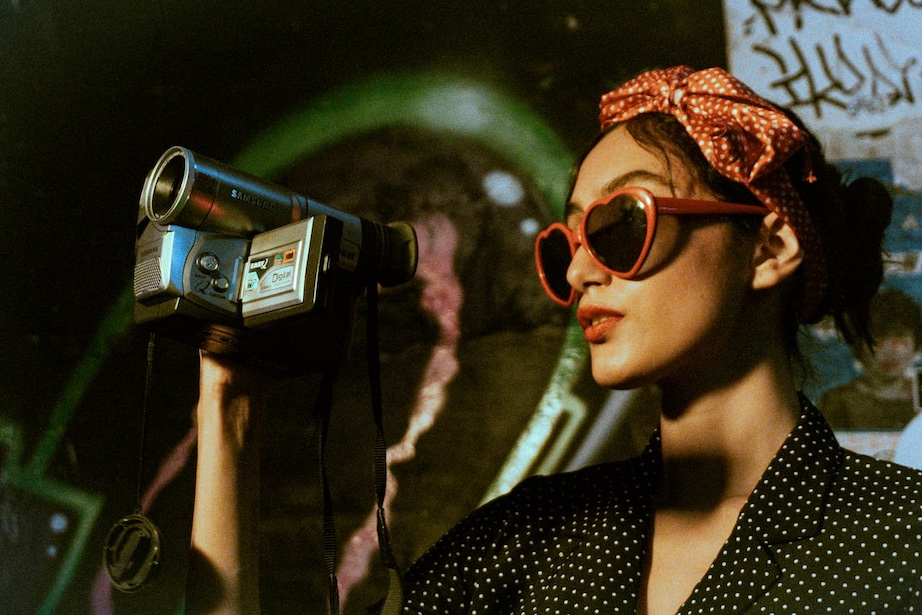
Analog video is what came before everything turned digital. It was captured on magnetic tape using camcorders and came in formats such as VHS, Hi8, and MiniDV. Everything was recorded in real time, with no filters, no stabilization, and no do-overs.
The final results weren’t high-res. They didn’t need to be. What mattered was the feeling. The footage carried a kind of softness that made everything look a little more human. It captured texture in a way digital never could, which more and more people are starting to notice now.
How Analog Video Adds Depth to Visual Storytelling
Thinking about picking up a vintage camcorder and giving analog video a shot? You’ll want to do a bit of digging first to find the best one for your setup and style. But before you get into specs and formats, it’s worth looking at why people are choosing it in the first place and what it actually brings to the table.
Aesthetic Authenticity That Digital Can’t Fake
The grain. The blur. The way the light hits the lens. It all gives the footage a kind of presence that digital tends to smooth out. It looks like something that actually happened, not something designed to impress.
Emotional Weight and Nostalgia
This kind of video reminds people of old family clips or TV shows they barely remember. It puts the viewer in a specific mindset before the story even begins. That makes it easier to hold attention and, if applicable, convert customers.
Intimacy and Limitation as Creative Tools
Shooting on tape means fewer options and more intention. You’re not filming 100 takes. You’re not editing in real time. What you capture is what you use. That forces you to focus, and it usually results in footage that feels more relaxed and honest.
Who’s Driving the Analog Video Resurgence?
There’s no single reason camcorders are everywhere again. But a few groups are pushing them into the spotlight, each with their own reasons for picking tape over digital.
Gen Z
Camcorders are popular among Gen Z for the same reason Polaroids were a few years back: they’re a different way to document things. They slow you down. They make you think before you hit a record. Not to mention, for a generation raised on high-res phones and algorithm-friendly edits, tape feels like a way to break the format.
You can see this trend online, too. On TikTok, the hashtag #camcordervideo has racked up millions of views, while #analogphotography has passed 300 million. Add to that a 2023 study showing that over 65% of Gen Z say they’re drawn to nostalgia in media, and it’s clear: they’re not chasing old tech—they’re using it to tell new stories.
Fashion Houses and Luxury Brands
Camcorder footage is showing up in campaigns for major labels. The idea is simple: take something raw and pair it with something expensive. The result is a visual contrast that grabs attention.
Filmmakers and Musicians
The tape has always been tied to memory, and many filmmakers are using it to tap into that feeling. It’s showing up in coming-of-age films, music videos, and doc-style shorts where the camera isn’t supposed to feel like a camera.
Musicians love it, too, because camcorder footage makes a release feel intimate. It’s raw, but on purpose. That makes it useful for artists who want to show the messy stuff without making it look messy by accident.
Is Analog Video Really the New Luxury?
And that brings us to the main question: Is analog video the new luxury in visual storytelling? And, if so, why?
Let’s be blunt and say: Absolutely!
In a world where anyone can shoot 4K footage on a phone and polish it with a few taps, going analog takes effort. You need to hunt down a working camcorder, find tapes, charge weird batteries, and maybe even digitize the footage later. None of it is fast. None of it is easy.
But that’s exactly what makes it feel premium.
Luxury today isn’t just about price tags. It’s about intention. It’s about showing that you care enough to take the long way around. Analog video slows everything down. It makes you look. Listen. Pay attention. And when the final piece comes together, it feels less like content and more like craft.
That’s what people are drawn to. Not just the look, but the process behind it.
So, Why Are Camcorders Suddenly Everywhere?
Because in a world where everything is instant, perfect, and polished, camcorders offer the opposite — and that feels rare. Shooting analog video is slower. It’s more involved. It’s tactile. And that’s exactly what gives it weight. The camcorder revival isn’t about nostalgia for nostalgia’s sake. It’s about creative control, emotional honesty, and choosing a medium that demands presence. Whether it’s a fashion campaign, a music video, or a personal art project, the tape gives you something digital can’t: a sense that you were really there. And that, more than anything, is what makes it feel like a luxury now.
Photo by Pexels.com
Contributed posts are advertisements written by third parties who have paid Woman Around Town for publication.