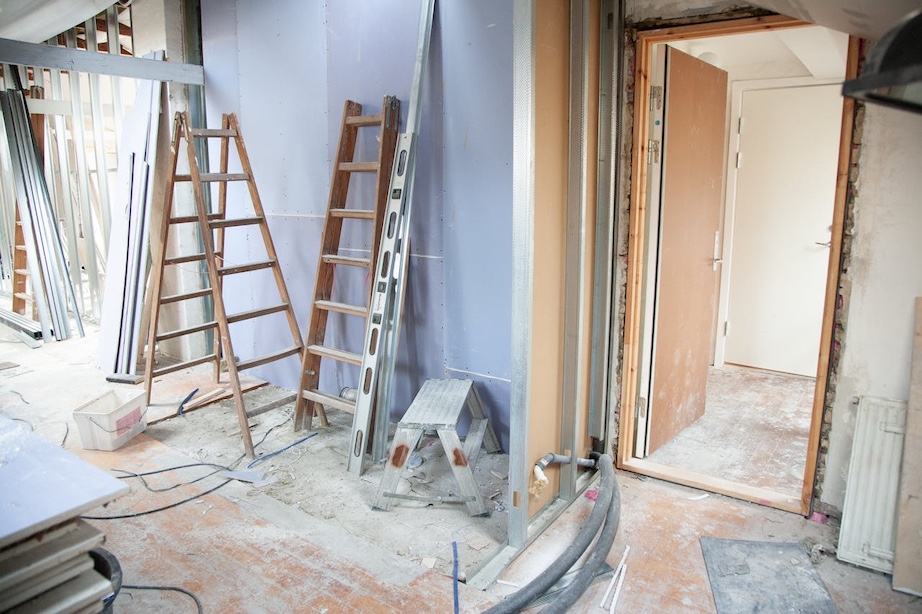
What actually counts as a “finished” house? Ask any homeowner who’s ever attempted a renovation, and they’ll likely laugh before giving a straight answer. The reality is, most homes exist in some ongoing state of almost-done. As tastes shift, needs evolve, and housing costs rise, renovation has become less of a luxury and more of a long game. In this blog, we will share what it takes to navigate that game with strategy, patience, and the occasional well-timed venting session.
Starting Where It Actually Matters
Most people think renovations begin with demolition. In truth, they start with decisions—many of them. What’s your real reason for the project? Perhaps you want to fix a functional issue, boost resale value, or incorporate a feature like a home elevator to better suit your current lifestyle. Or maybe you simply want to stop tripping over that one raised tile every morning. Once you define the purpose, everything else starts to sharpen.
But renovation in 2025 also comes with broader forces at play. Interest rates are high, material costs remain unpredictable, and labor availability depends heavily on where you live. Planning ahead isn’t just smart; it’s survival. You’ll want timelines that include buffers, budgets that factor in overages, and access to professionals who aren’t juggling five job sites at once.
For example, if your project involves exterior work, timing is key. Roofing jobs, in particular, require solid weather windows and contractors who understand structural safety in addition to aesthetics. Working with a trusted roof repair contractor early in the process helps prevent last-minute surprises, especially in older homes where water damage tends to hide until you open something up. These professionals can flag issues you wouldn’t see from the ground and guide you toward materials that hold up better under local conditions. Solid roofing isn’t glamorous, but it protects everything else you’re building underneath it.
Understanding the Scope and the Sequence
Scope creep is real. It begins innocently—maybe you’re just redoing the floors, and then suddenly you’re ripping out a wall, installing custom cabinets, and arguing about pendant lighting over brunch. To avoid that slow slide into chaos, it helps to map out your renovation by category: structural, mechanical, cosmetic. Deal with what keeps the house standing and functioning before touching what makes it prettier.
If your project affects multiple areas, know which parts to prioritize. Kitchens and bathrooms tend to drive the biggest value increases, but they also disrupt your life the most during construction. Bedrooms or home offices, on the other hand, can often be improved in stages without shutting down daily routines. And unless you have a second kitchen stashed somewhere, you’ll want a contingency plan that includes takeout, patience, and possibly noise-canceling headphones.
Also, don’t underestimate the prep work. Protecting the rest of your home from dust, noise, and foot traffic during the renovation takes just as much planning as the build itself. If you’re living in the house during the work, designate zones for sanity—places untouched by tools, wires, or construction debris.
Budgeting Without Fantasy Math
Renovation TV has ruined a lot of people’s financial expectations. No, you cannot remodel an entire 3-bedroom home with vintage tile, reclaimed wood, and high-end finishes for $20,000 unless you also own a lumber yard and a film crew. Real budgets need real math—especially now.
Start by researching the average cost per square foot for your area and type of project. Then add line items for permits, design consultations, material shipping fees, and the inevitable change orders that happen when someone opens a wall and finds a pipe from 1964 that was never supposed to exist.
Don’t go all-in on one showpiece either. A massive island or imported tile might look great, but if you skimp on insulation, wiring, or waterproofing to get it, you’ll be spending more later to fix preventable problems. Balance matters. Spend on the pieces that anchor function and safety before you get creative with the rest.
Navigating the Emotional Curve
No one talks enough about the emotional arc of home renovation. The early phase is pure excitement, all Pinterest boards and “just wait until you see this.” Then demolition starts, things get loud, and you realize you’ve been eating freezer meals off folding chairs for three weeks. The middle is full of dust and delays, and it’s not uncommon to wonder if it was all a mistake.
That dip in morale is part of the process. There will be days when the finish line feels imaginary. But then paint hits the walls, cabinets get installed, and suddenly the place starts to feel real again. Celebrate small wins. Take photos. Notice the first time sunlight hits a new surface just right. These moments recalibrate the whole experience.
Building for the Future You Actually Want
Renovation isn’t just about fixing what’s broken or upgrading finishes. It’s about aligning your space with the way you live now—or want to live soon. That might mean turning a guest room into a home office, adding insulation so winter doesn’t feel like punishment, or finally creating a kitchen layout where people don’t trip over each other during breakfast.
Trends come and go, but personal fit stays relevant. Open floor plans may look nice but might not suit families that need quiet zones. Industrial lighting might be popular, but it’s not helpful if you’re constantly squinting at the stove. Design with your daily rhythm in mind, not just resale brochures.
Sustainability also plays a growing role in renovation planning. With energy costs climbing and environmental concerns rising, homeowners are factoring in insulation, low-energy appliances, smart thermostats, and recycled materials as standard, not bonus features. These choices reduce long-term costs and push your renovation toward the future rather than simply updating the past.
Renovating a home is one of the most personal investments you can make. It reshapes how you move through your days, how you gather, rest, cook, and recharge. When done well, it doesn’t just add value—it adds ease. It reflects effort and intent. It shows that you’re not just occupying space, but shaping it to support how you live.
And that’s what makes it worth the time, the dust, the decisions, and the not-so-glamorous calls about electrical permits or mismatched grout. In the end, a complete renovation doesn’t just upgrade your home. It upgrades your relationship to it.
Photo by Rene Terp at pexels.com
Contributed posts are advertisements written by third parties who have paid Woman Around Town for publication.