
Have you heard about sober curiosity? Let’s face it: if you have access to the internet, you’ve probably heard of it, considering it’s been gaining momentum in the past few years. Generally, attitudes towards alcohol seem to be changing in our society, and women, in particular, are at the forefront of this shift. To explore this topic further, in the rest of this article, we’ll cover the rise of sober curiosity among women and all the reasons why more women are reassessing their relationship with alcohol.
What is Sober Curiosity?
Before we can start unraveling all the arguments as to why more women are reassessing their relationship with alcohol, we have to define some of the most common terms.
So, what does it mean when someone is sober and curious? Well, sober curiosity means choosing to explore life with less alcohol without necessarily committing to full sobriety. In other words, it means avoiding excessive drinking while still leaving the door open to raising a glass and having a drink or two on holidays or special occasions. Furthermore, this term is very different from abstinence and usually doesn’t stem from a person realizing their alcohol addiction. More often than not, it’s simply a wellness term, a commitment to a healthier life and more mindful drinking.
Why Are More Women Reevaluating Their Drinking Habits?
There are a few main reasons that led to the rise of sober curiosity among women. The most common reasons include the following:
- Health & Well-being: The impact of alcohol on physical and mental health is undeniable. Drinking can affect everything from sleep quality to hormone balance. Moreover, it can have a huge impact on internal organs like the liver, but also the brain, gut, pancreas, lungs, cardiovascular system, immune system, and more
- Social Pressures & Changing Norms: Socializing as an adult is almost synonymous with alcohol consumption. Whether it’s drinks after work, a dinner with friends, or even a weekend baby shower, all these events tend to include at least one glass of champagne, if not harder liquor. While separately, these occasions can be seen as special circumstances, put together and repeated often, they can lead to normalizing excessive drinking. In cases like these, it’s important to look out for signs of a drinking problem. Recognizing these signs early allows women to get the support they deserve and stop the problem from escalating.
- The Rise of the Wellness Movement: In recent years, we’ve seen a huge rise in holistic health trends that encourage reducing alcohol intake. These trends are prominent not just in old-school media like magazines but also on social media platforms like TikTok and Instagram.
- Personal & Professional Growth: Alcohol alters your state, making it harder to function and think clearly. On the other hand, drinking less can help increase your clarity, energy, and productivity.
The Cultural Shift Toward Sober Curiosity
Sober curiosity, although not by that name, is nothing new. For decades, people have understood the effects of alcohol and the benefits of sobriety. Stats on alcohol use show that younger generations are drinking at much lower rates than generations before them. Therefore, we’ve seen all kinds of sober movements like Dry January and Sober October. However, the downfall of these challenges is that they’re usually seen as short-lasting and both precedent and followed by excessive drinking. For instance, Dry January usually starts right after all the Christmas and New Year’s parties, filled with all kinds of alcohol. And, once it’s over, people usually celebrate succeeding with a drink or two. In many cases, people don’t even make it until the end of January before failing the challenge.
Aside from these massive challenges, in recent years, we’ve seen a huge rise in alcohol-free alternatives. Of course, mocktails have been popular for a while, but non-alcoholic beers and non-alcoholic spirits are still fairly new inventions, steadily growing in popularity.
Practical Ways to Explore Sober Curiosity
If you’re thinking of embracing sober curiosity, there are plenty of ways you can participate! To start, begin with a short alcohol-free challenge to assess how long you can go without reaching for a drink. If you can make it the whole 30 days, that’s a great sign you probably don’t have a drinking problem.
If you’re attending events where plenty of people will be drinking alcohol, you might feel out of place ordering water. To avoid that awkwardness, you can order a mocktail or alcohol-free alternatives. Finally, you can explore sober curiosity by joining sober communities and following sober influences. These kinds of groups organize all kinds of sober events, from parties to nature walks and sports competitions or yoga retreats for those who want to live a healthier lifestyle in the long run.
Recognizing When Drinking Becomes a Problem
For many women, these challenges will be more challenging than for others. Participating in these movements can expose real, deeper problems of reliance on alcohol. Don’t be surprised if you start feeling awkward and anxious siding social events without having alcohol to hide behind. However, that just means you’re on the right track.
In case you have extreme issues staying sober, it could mean you could be addicted or somewhere on the road towards addiction. In these more extreme cases, help from professionals like rehab facilities, AA groups, or specialized therapists can be crucial in preventing relapses and maintaining sobriety.
In Conclusion
The rise of sober curiosity among women, like many women-led movements, is all about choice and self-discovery. It’s about reflecting and reassessing their relationship with alcohol and making space for healthier, more beneficial practices in your life. In a society that normalized excessive drinking, this movement is a breath of fresh air. If you’re feeling inspired or even scared by the notion of not drinking, that probably means you should give it a try. What’s the worst thing that can happen?
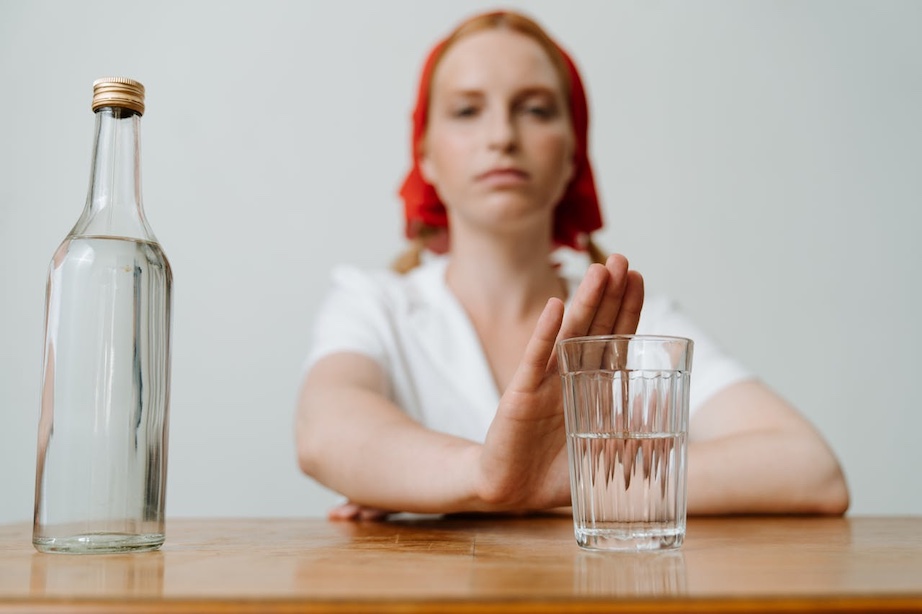
Photo by cottonbro studio on pexels.com
Contributed posts are advertisements written by third parties who have paid Woman Around Town for publication.