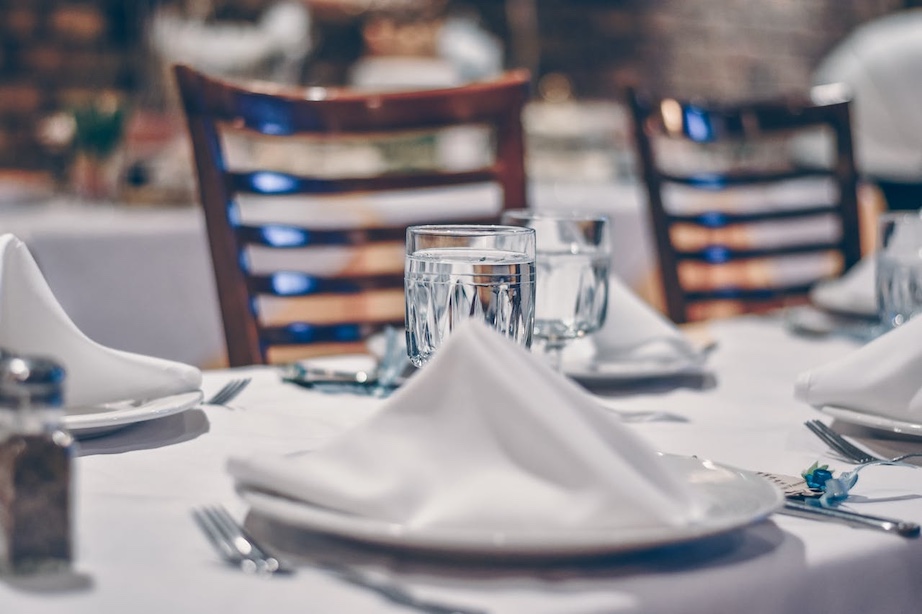
When was the last time you had a truly great meal—not just in taste, but in company?
Maybe it was around a crowded table where everyone reached for the same dish. Maybe it was a quiet dinner where conversation lingered longer than dessert. Whatever the setting, there’s something about food that slows us down and draws us closer.
Today, many people are traveling not just for scenery but for experiences that feel personal. In places like Gatlinburg, TN, that sense of connection often begins at the table. Families pass plates. Friends trade bites. Strangers might even become less strange over the course of a meal. Shared dining is not just a way to eat. It’s a way to belong.
In this blog, we will share how meals bring people together, what they reflect about our values, and how food settings offer more than just full stomachs—they offer insight into how we live, what we care about, and what it means to feel connected.
Where We Choose to Eat Says a Lot
Eating solo is common today, but mealtime used to be a shared ritual. Around the world, people still gather to eat, talk, and connect. In the U.S., there’s a growing push to revive that spirit with spaces that encourage lingering and togetherness—not just fast food, but meaningful moments.
In towns like Gatlinburg, that cultural shift feels especially grounded. Locals and tourists alike are drawn to the comfort of familiar flavors, but also to the feeling of being welcomed.
You won’t have to look far to feel that sense of connection. Many restaurants in downtown Gatlinburg TN are built for shared moments—with roomy tables, welcoming staff, and a laid-back atmosphere that makes lingering feel natural. One favorite among visitors is The Park Grill. It blends mountain-lodge charm with dishes made for passing around and talking over. Start with Home Style Fried Green Tomatoes, then move on to the Steakhouse Burger or Fresh Rainbow Trout. And don’t skip the Peanut Butter Mud Pie—it’s the kind of dessert that practically demands a second spoon. It’s food that turns a meal into a memory.
Why Shared Meals Still Matter
There’s been a lot of talk about the “loneliness epidemic” lately. Studies show more people feel disconnected than ever. But you don’t need a headline to confirm what many already feel—that it’s getting harder to truly connect in a meaningful way.
Meals offer a built-in fix for that. Sitting at a table with others, even if just for an hour, creates a natural pause. Phones go down (hopefully). Conversations rise. People make eye contact. In that space, social walls can start to lower.
And that’s not just idealistic thinking. Research backs it up. Studies have shown that families who eat together regularly tend to have better communication and stronger emotional bonds. In schools, kids who participate in communal lunches often report higher levels of inclusion. Even among coworkers, shared lunches can lead to better collaboration.
Food is a neutralizer. It doesn’t care about job titles, politics, or zip codes. A shared plate of ribs or a generous bowl of salad makes everyone equal—hungry, happy, and human.
Flavors as a Form of Memory
Have you ever taken a bite of something and instantly been transported to a moment from years ago?
That’s not random. It’s science. Smell and taste are processed in the same part of the brain that stores long-term memory and emotion. So, when you bite into something familiar—grilled corn, a certain spice blend, a dish your grandmother made—you’re not just eating. You’re remembering.
Shared meals often become markers in our lives. The dish you ordered on your first vacation together. The pie you shared after a long hike. The meal you sat down to after hours on the road. These aren’t just calories. They’re timestamps. And when meals are shared, the memory isn’t just yours—it’s collective.
That’s why people go back to the same places, order the same things, and keep traditions alive. It’s not just about taste. It’s about preserving a feeling.
Social Shifts and the Return to the Table
Over the last few years, especially during and after the pandemic, there’s been a renewed appreciation for shared experiences. When dining out was limited, people missed the little things—being greeted at the door, the background hum of a busy room, that first sip of a drink someone else made.
Now that the world is open again, many are doubling down on those pleasures. But they’re doing it differently. Diners are more intentional. There’s a shift toward quality, toward experiences that feel real and grounded. It’s less about status and more about satisfaction.
People aren’t just booking tables. They’re making time. And that’s a big cultural change. It reflects a broader movement toward mindfulness, simplicity, and connection.
From Table to Culture
It’s easy to think of meals as routine. Breakfast, lunch, dinner—just things we do between everything else. But zoom out, and you start to see how meals shape culture. How they create identity.
Think about the types of meals that define different regions. The way families eat during holidays. The stories people tell around certain dishes. Food isn’t just a part of culture. It is culture.
And when it’s shared, it becomes something even more meaningful. It becomes a symbol of care. Of hospitality. Of belonging.
Even if you’re just passing through a town, sharing a meal there connects you to it. You’re no longer just a visitor. You’re part of something—if only for an hour.
The Unspoken Power of the Table
There’s a reason important decisions are made over lunch. A reason proposals happen over dinner. A reason families sit together during hard conversations. The table is more than just a piece of furniture. It’s where life unfolds.
Shared meals create space—for stories, for laughter, for reconciliation. They remind us that we’re part of something bigger. That connection doesn’t always need to be grand or dramatic. Sometimes, it’s as simple as passing the mashed potatoes.
In a world that often feels like it’s moving too fast, meals slow us down. They make room. And that room is where real connection happens.
So next time you sit down with others, don’t rush through it. Notice the moment. Ask a question. Share a bite. You might be surprised at what opens up.
Because in the end, what we eat matters. But who we eat it with—and the memories we make along the way—matter even more.
Photo by Ibrahim Boran at Pexels.com
Contributed posts are advertisements written by third parties who have paid Woman Around Town for publication.